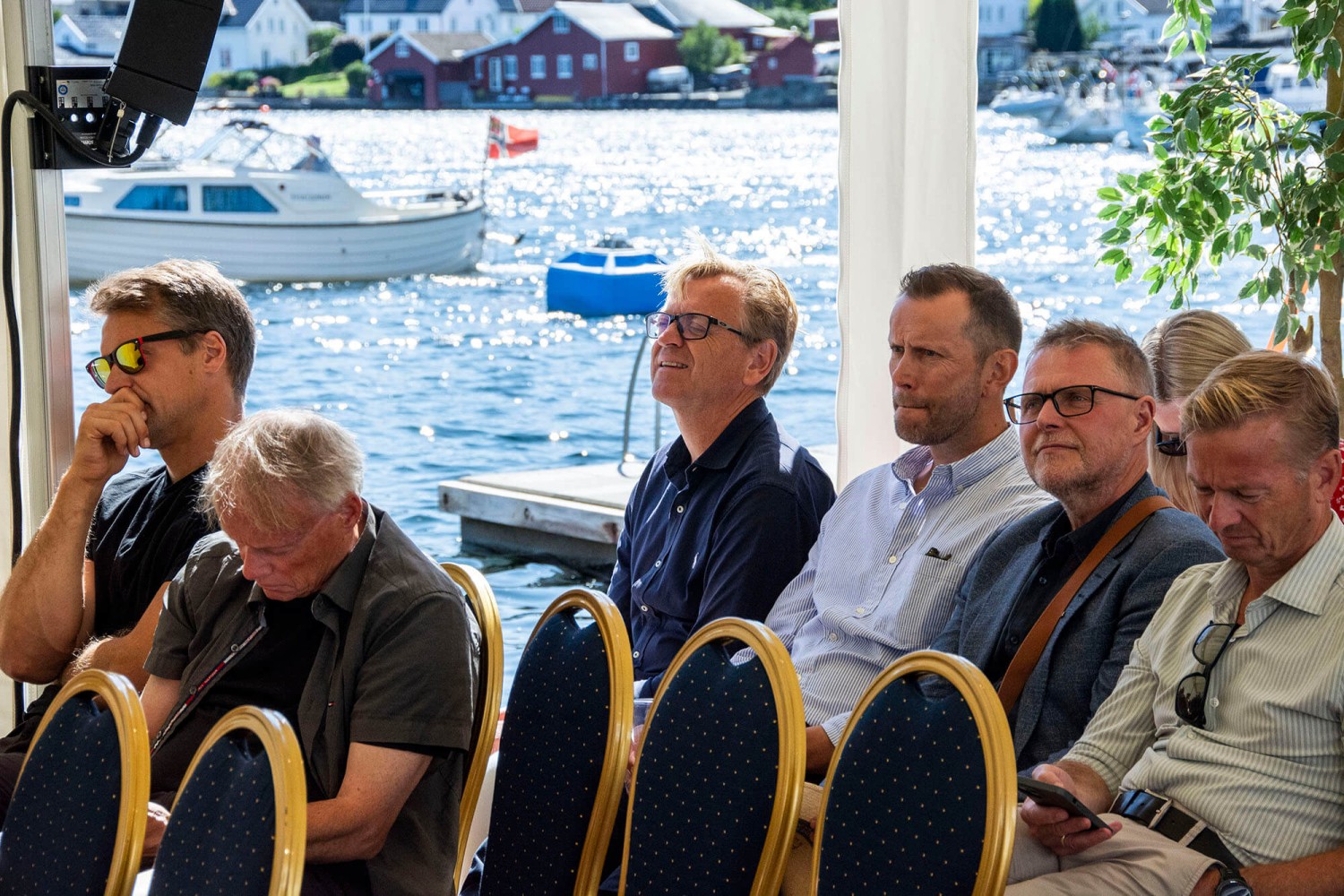
Kristiansand Port IKS has been highly visible during Arendal Week 2026, with ports, maritime transport, emergency preparedness and cruises high on the agenda. Through several events, we have participated in important discussions about the role of ports in national security of supply, how the sea route can be strengthened, the future requirements for the cruise industry and how we can together develop more robust and sustainable maritime value chains. Together with politicians, authorities and players from across the maritime industry, we have raised questions that are becoming increasingly important for both Kristiansand Port IKS and Norway.
Harbor breakfast
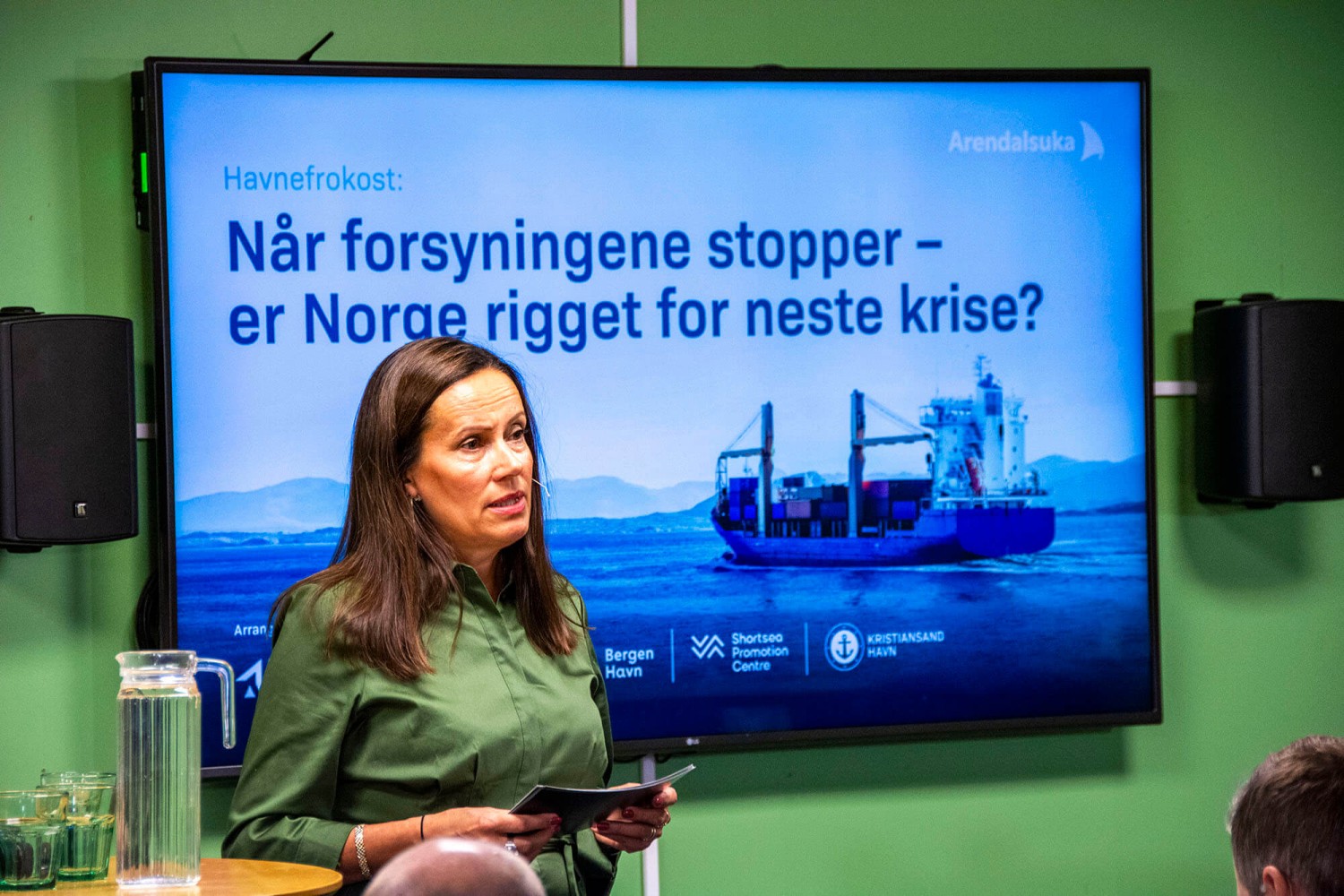
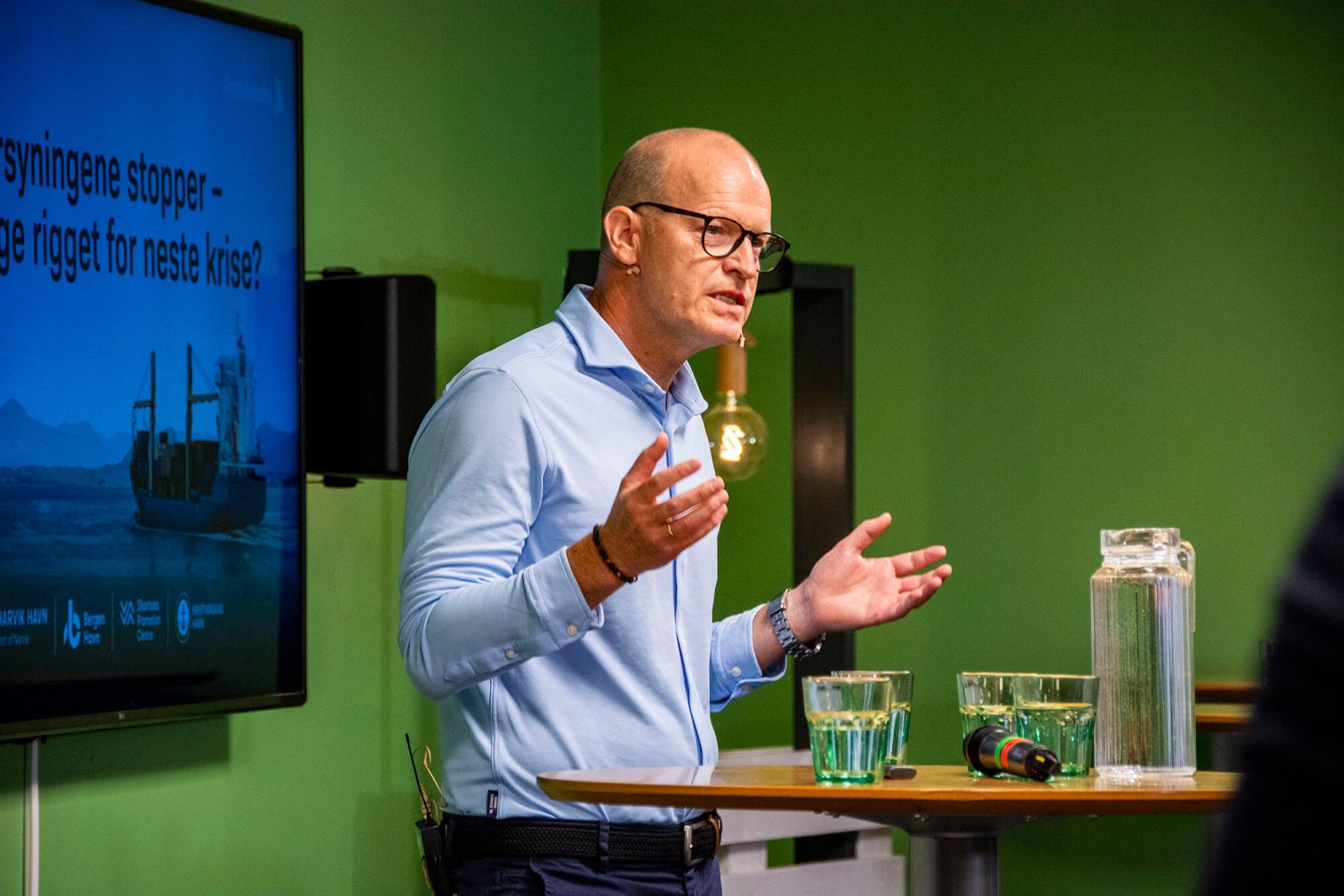
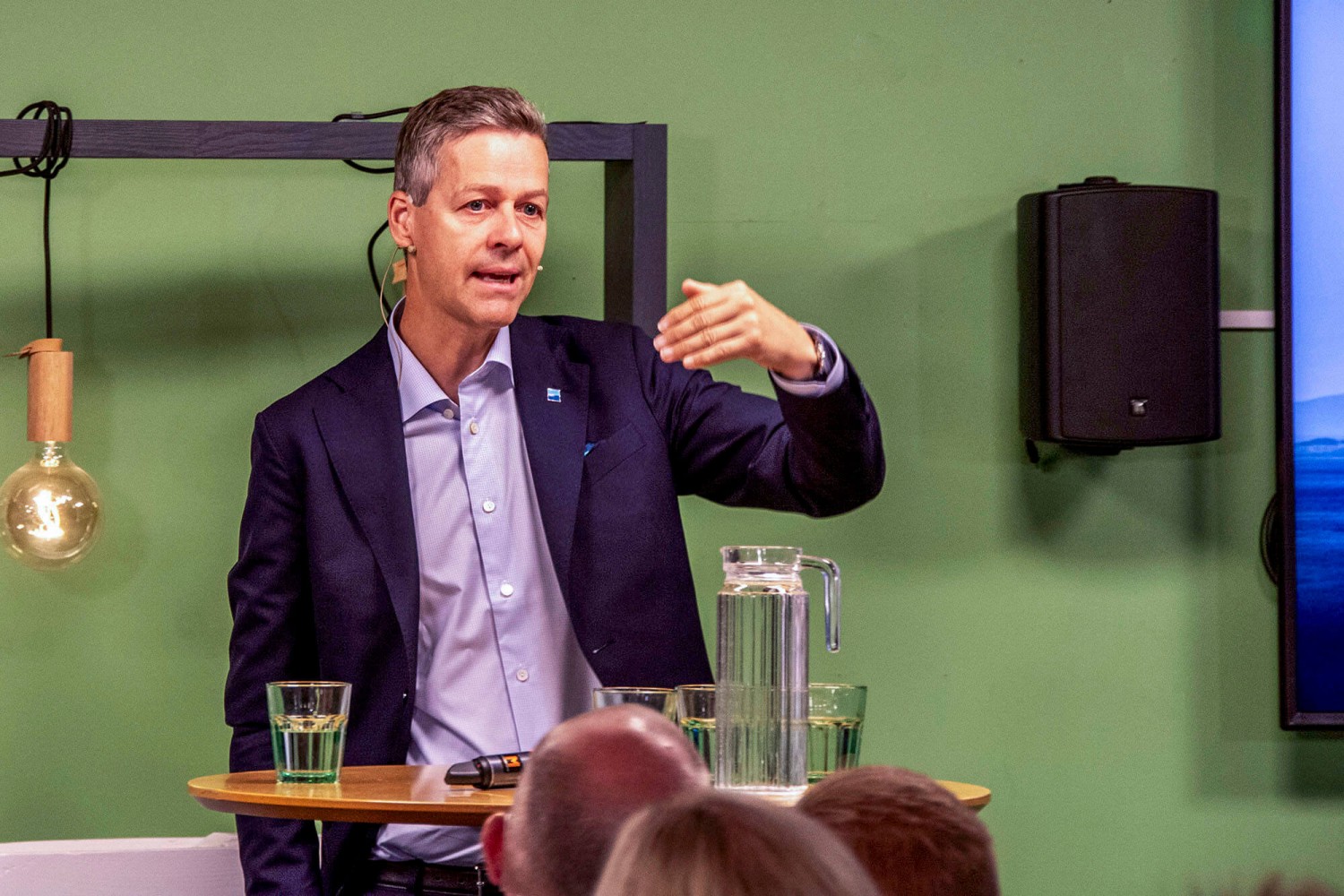
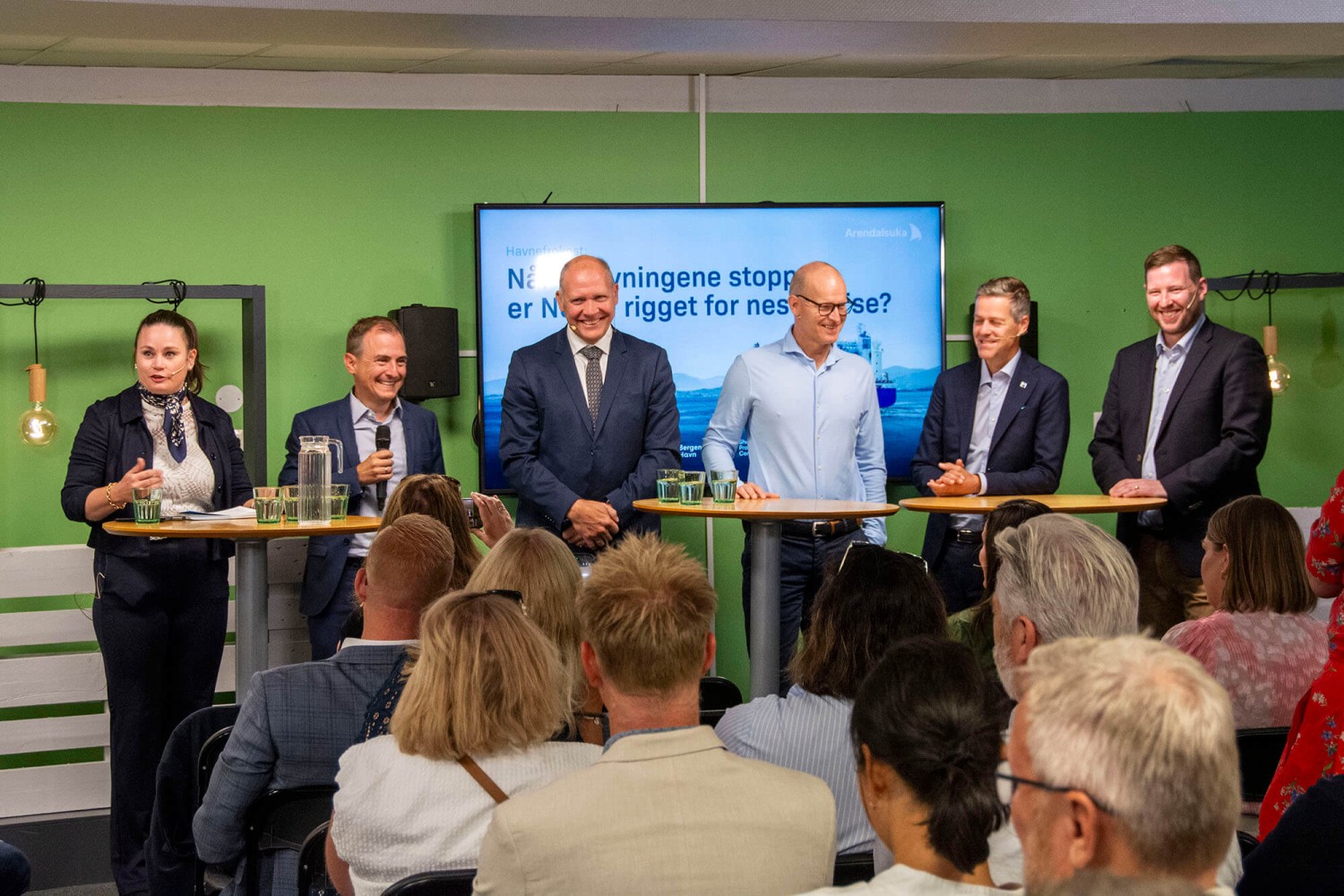
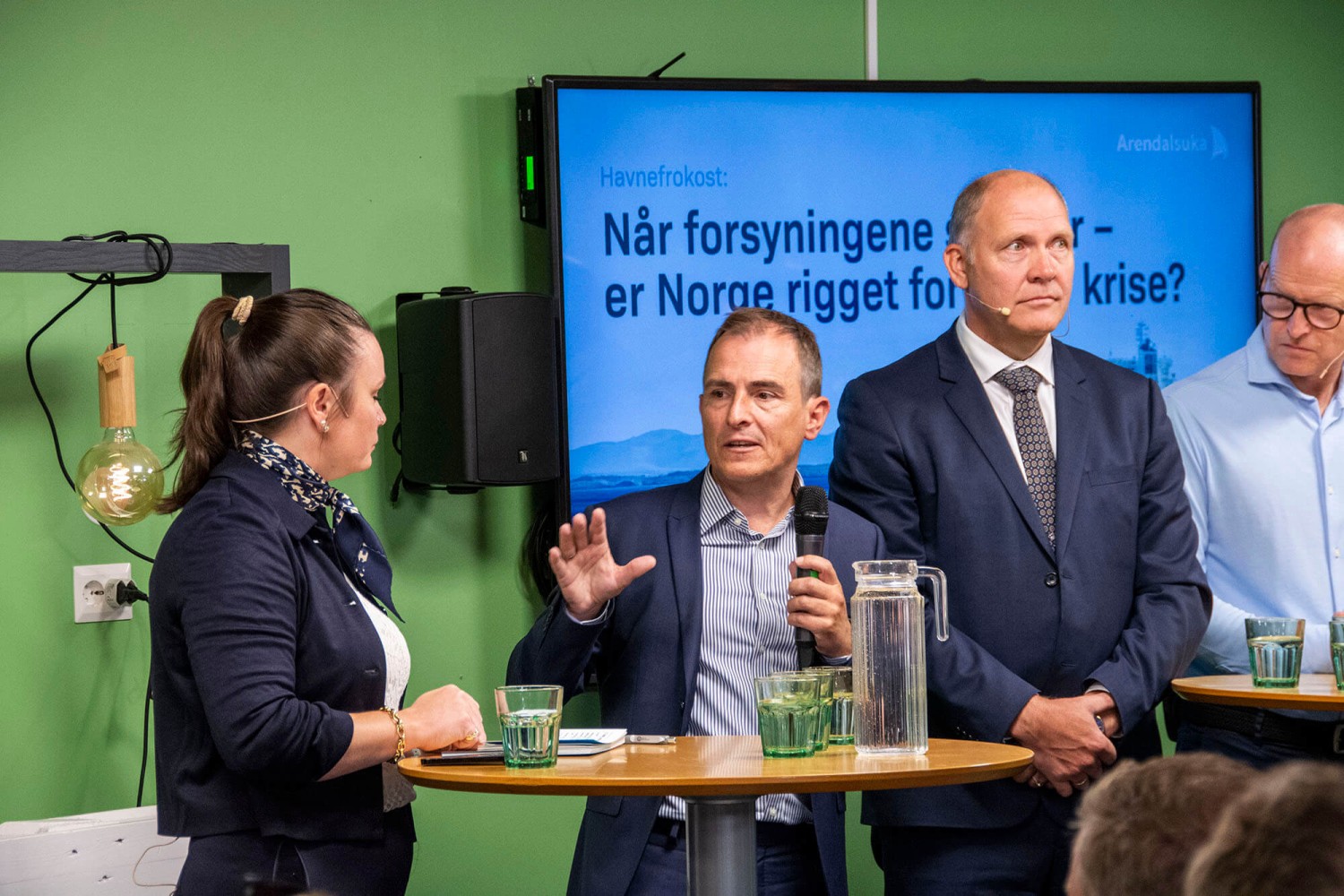
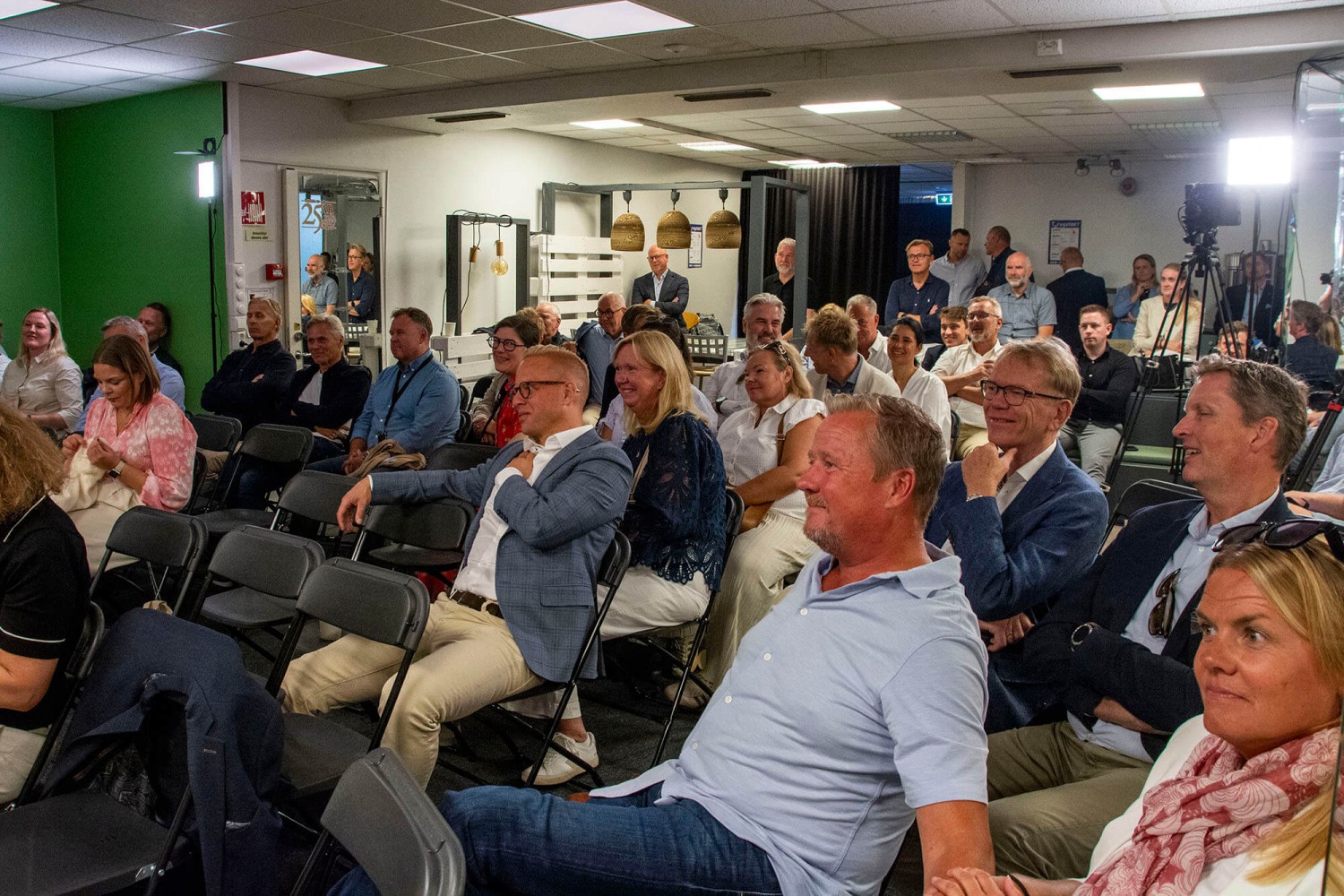
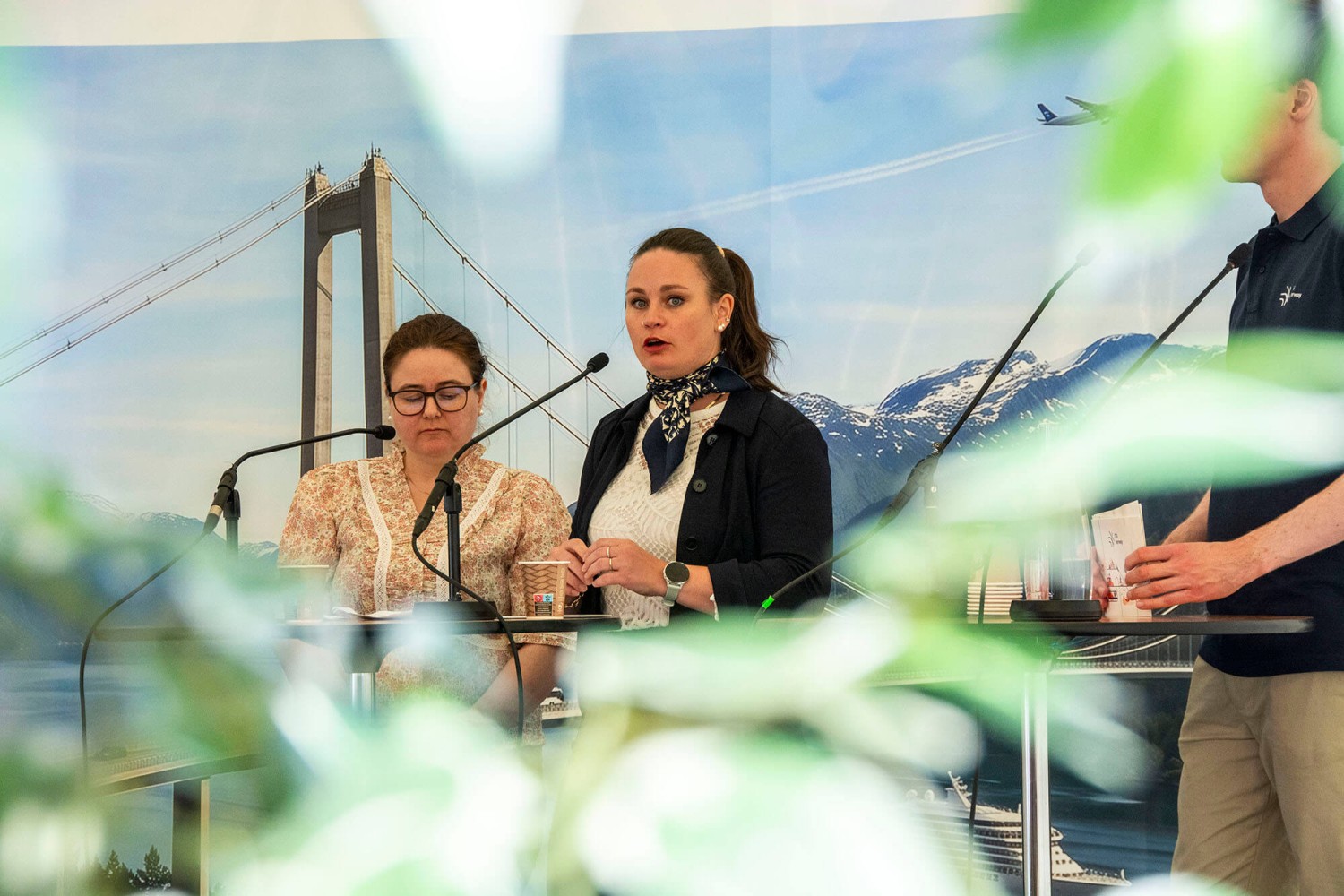
During our Port Breakfast together with Norske Havner we discussed Ports in the context of emergency preparedness. We asked “When the supplies stop - is Norway prepared for the next crisis?”
The ports of the future will handle transport, energy, security and emergency preparedness simultaneously. They will be hubs for shipping, charging and energy infrastructure, and take responsibility for new energy carriers such as hydrogen.
For this conversation, we are bringing together stakeholders from the maritime industry, energy, politics and business to discuss ports as important strategic resources in the years to come.
In a time of geopolitical unrest, energy crisis and increasing demands for preparedness, our ports are taking on an increasingly important role. They are no longer just places where goods are unloaded and loaded. The EU identifies ports as critical infrastructure with responsibilities far beyond traditional logistics.
"Meeting venues like this are very important, and we need even more of them. We will take these discussions and input that come here into the new maritime strategy," said Fisheries and Oceans Minister Marianne Sivertesen Næss.
- The ports are now in a new and important situation in terms of safety and preparedness. It is therefore important that the digital infrastructure in ports is also developed, and the Norwegian Mapping Authority wants to contribute here, said Managing Director of the Norwegian Mapping Authority Johnny Welle.
We also took the discussion from strategy to practice and looked at how collaboration between ports and transport players, better data sharing and more robust logistics networks can strengthen the sea route. Nils Møllerup and Øistein Kaarbø contributed perspectives from different parts of the country and the value chain.
The reputation of cruise tourism
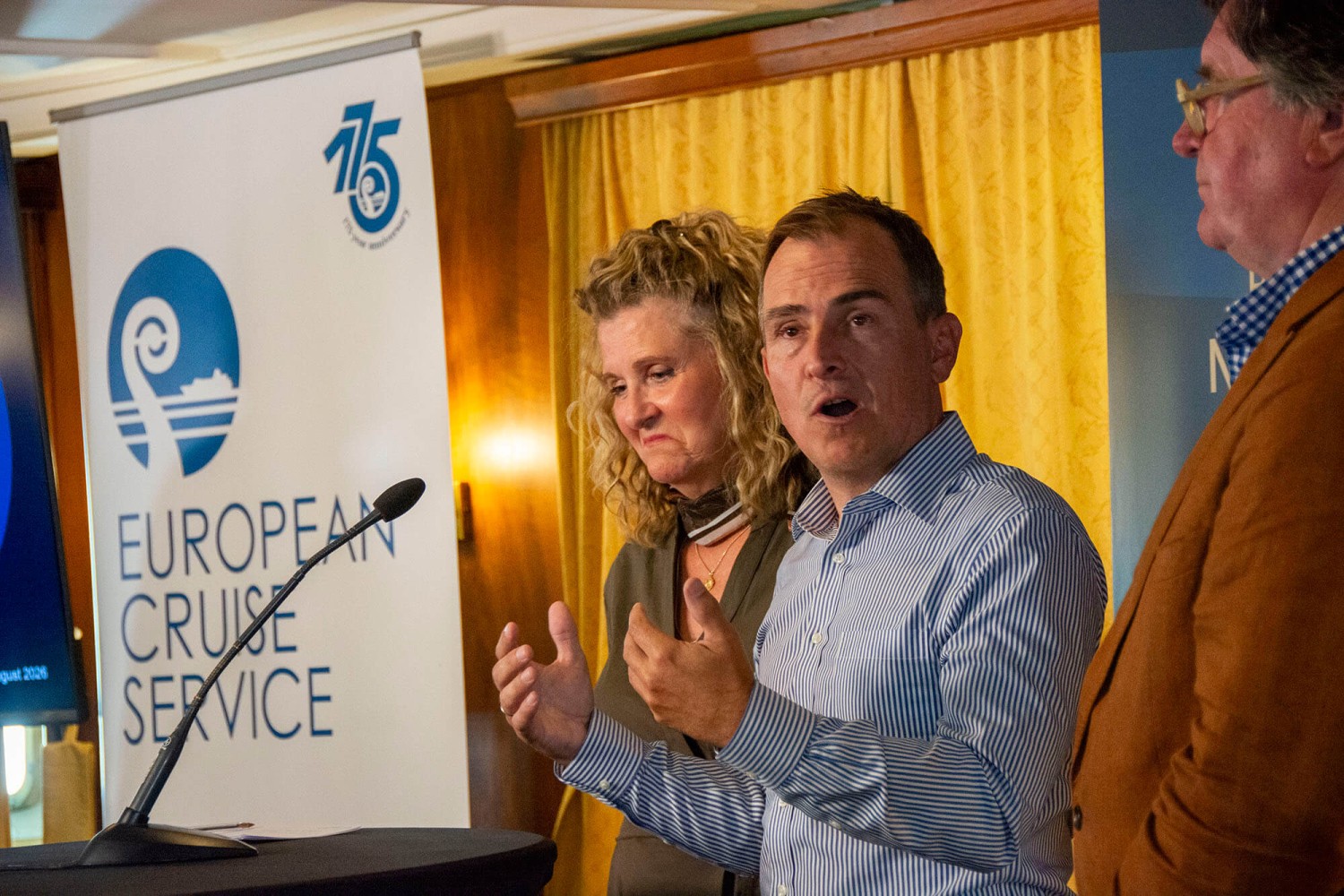
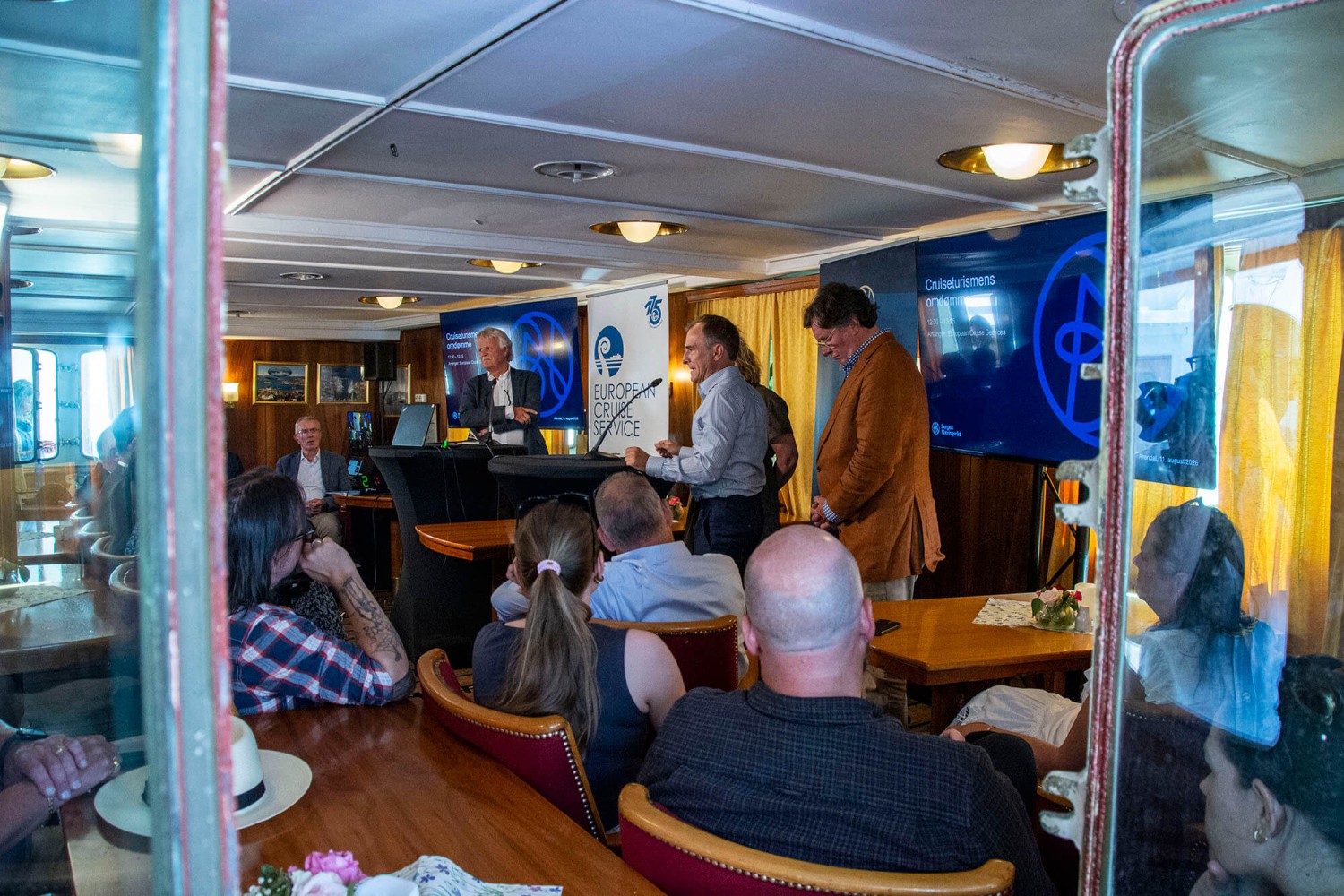
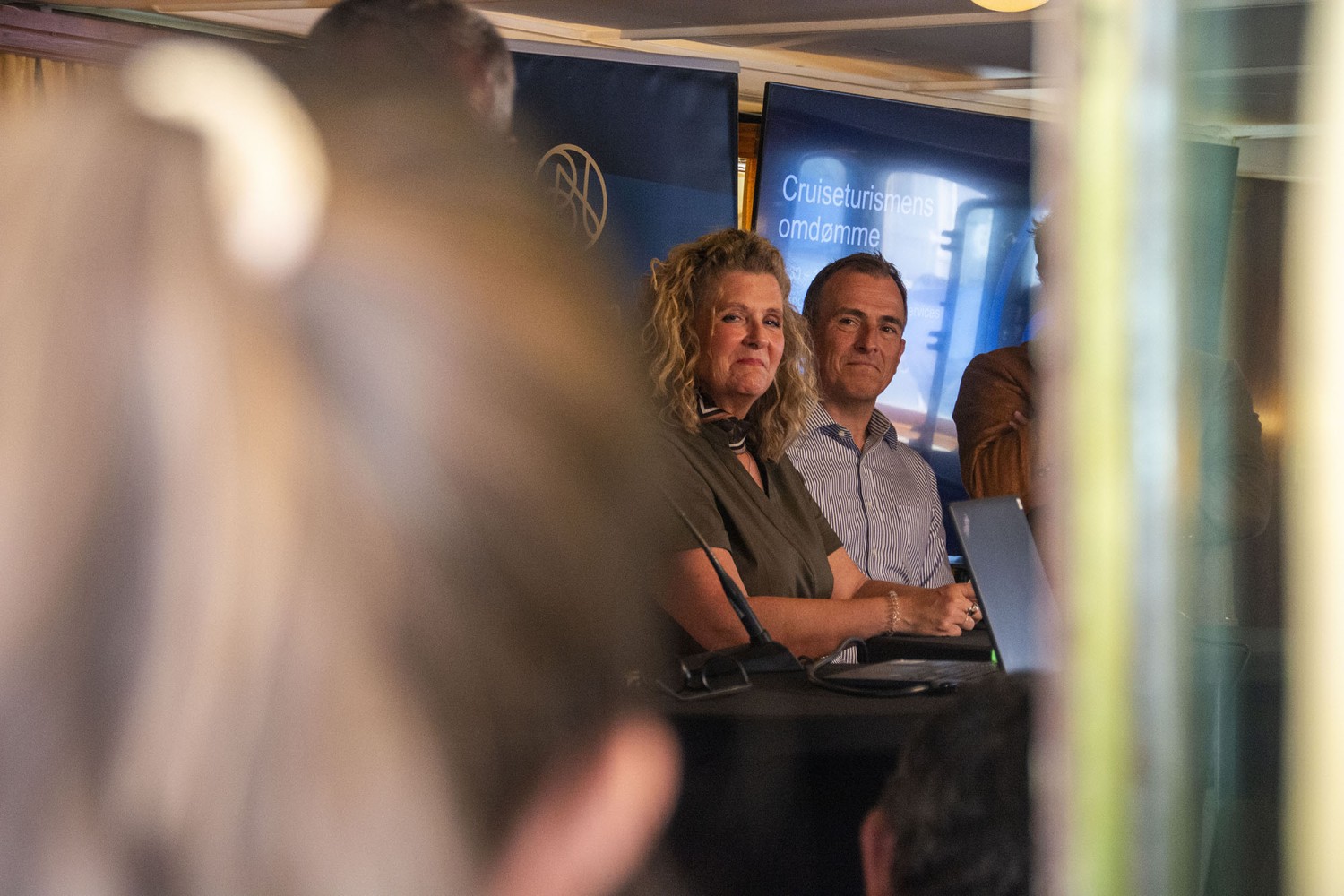
Port Director Atle Johannessen of Kristiansand Port IKS participated in the panel arranged by European Cruise Services. The discussion addressed why cruise tourism has gained a more challenging reputation, despite the industry's importance for local value creation and jobs. Key questions were what lies behind the resistance to cruises in local communities with a lot of cruise traffic, what challenges the industry must take seriously, and how to create a greater understanding of the value cruise tourism adds. The debate also highlighted what the industry, destinations and ports themselves can do to strengthen trust and contribute to a more sustainable and locally rooted cruise tourism.
- If we are to strengthen the reputation of cruise tourism, we must become better at highlighting the values the industry creates locally, while taking the challenges seriously and developing cruise traffic in close collaboration with the cities and local communities, said Atle Johannessen.
National Maritime Transport Plan: From deprioritization to strengthening the sea route
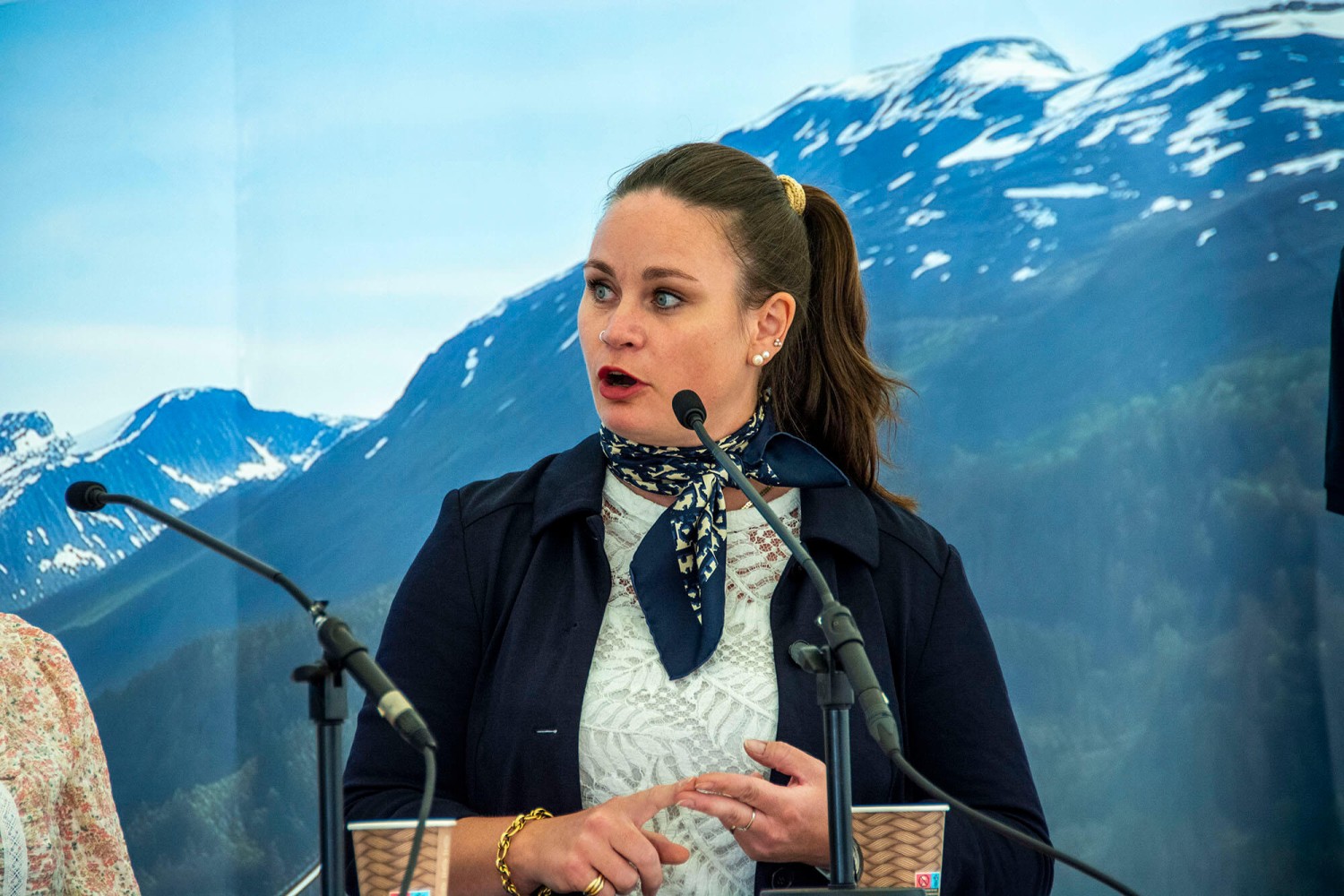
Communications Manager Isabelle Louise Aabel participated in the panel, organized by ITS NORWAY, Standard Norge, the Norwegian Shipowners' Association, Kystrederiene, Norske Havner and the Short Sea Promotion Centre. Sea transport is an important part of Norway's transport system - for supply, emergency preparedness and efficient flow of goods along the coast. Nevertheless, many experience that the sea route is not given a clear enough place when plans are to be prioritized and implemented. When the NTP is now to be revised towards 2028, and the government announces a new maritime strategy, we have an opportunity to come together on measures that actually make sea transport more robust and competitive in Norway.
"If we are to succeed in moving more goods from road to sea, sea transport must be given a clearer place in the national priorities. Ports are critical hubs for both the flow of goods, emergency preparedness and business, and the framework conditions and investments must reflect that role," said Aabel.
Visitor contributions and cruises: how to ensure that the scheme actually solves challenges in local communities?
Kristiansand Port moderated the cruise breakfast. The visitor contribution is intended to give municipalities a tool to manage the burden of tourism and contribute to the financing of public goods. The question is how the scheme can be structured so that it gains legitimacy, works as intended and is perceived as fair both locally and for the industry.
A key theme was how the needs of the municipalities should be documented, and how the revenues can be used specifically for common goods and measures that actually relieve the burden on local communities. At the same time, the need for competitive neutrality and equal treatment of different forms of visit was highlighted. Politicians, tourism, cruise operators and ports thus discussed how to find the balance between local room for action, value creation and the industry's need for predictable framework conditions. The goal is a scheme that has legitimacy among both residents, municipalities and the industry, and that contributes to a more sustainable development of Norwegian tourism towards 2027.
"If the visitor contribution is to gain legitimacy, residents must be able to see that the funds benefit the local community. The scheme must contribute to concrete measures that handle the burden from tourism, while at the same time facilitating continued value creation and attractive travel destinations," said Siri Martinsen, State Secretary at the Ministry of Trade, Industry and Fisheries.
Green Jutland Corridor
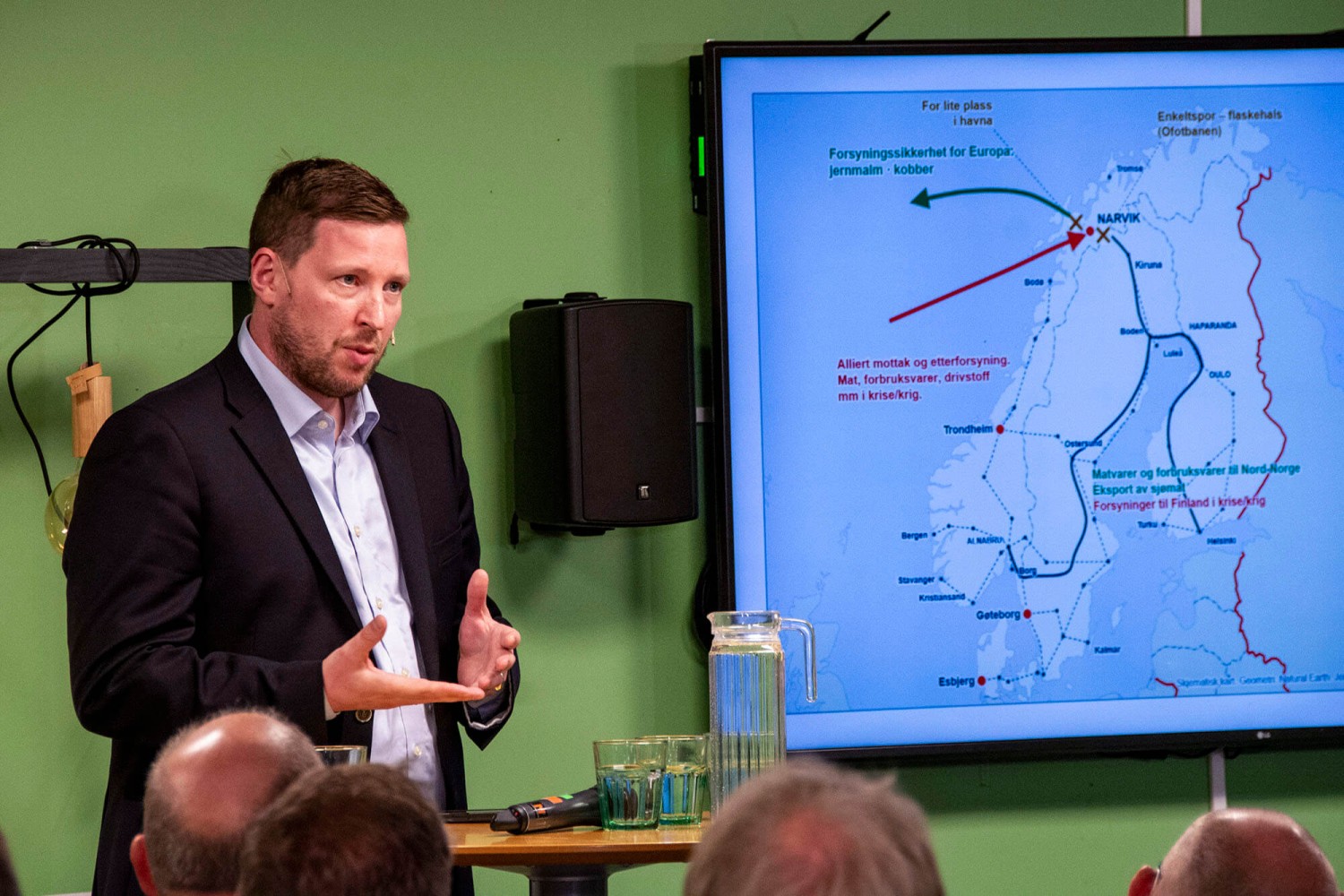
Kristiansand Port IKS collaborates on the Green Jutland Corridor. In the Vårt-Agder tent, the county municipality and several others organized the event "If Sweden closes - what does Norway do? Green Jutland Corridor as a lifeline to Europe." Norway is today largely dependent on one main connection to the continent through Sweden. Increased geopolitical uncertainty and the need for security of supply and preparedness raise the question of how Norway will maintain the flow of goods and critical societal functions if this connection is reduced or unavailable. Norway needs to develop a second main route to the continent.
The Green Jutland Corridor connects Stavanger, Kristiansand and Larvik with ferry connections to Hirtshals and further to Europe. Together with the multimodal corridor between Oslo and Stavanger – rail, road, port and ferry – this can provide the necessary reserve capacity, strengthened security of supply and increased preparedness. Current scenarios also show that ports and transport corridors in Western Scandinavia could gain increased strategic importance if connections through Øresund or the Baltic Sea are reduced or unavailable. The corridor is also important for business, exports, green transition and military mobility. With increasing transport volumes and greater geopolitical uncertainty, the question is what steps Norway must take to strengthen the infrastructure in Southern Norway and ensure robust connections to Europe.
- If Norway is to have a real alternative connection to Europe when the traditional transport routes are put under pressure, we must see the ports as part of our strategic preparedness. The ports in Southern Norway and the connections across Jutland are crucial for ensuring the flow of goods, business and supplies, also when it really matters. The cooperation on the Green Jutland Corridor is important for the region, said Arne Thomassen, county mayor of Agder.
We thank you for Arendal Week 2026
This year's Arendal Week has shown how closely topics such as emergency preparedness, maritime transport, cruises, infrastructure and value creation are connected. For the Port of Kristiansand, it has been important to participate in the discussions and elevate the role of ports as more than transport hubs, they are a central part of the infrastructure that keeps society and business going.
Common to many of the conversations is the need for collaboration, long-term investments and clear national priorities. If ports are to meet increased demands for preparedness, security of supply and green transition, infrastructure must be developed in line with the tasks and responsibilities assigned to the ports.
We thank our partners, organizers and everyone who contributed to good discussions during Arendal Week 2026. We are now taking the perspectives further in the work of developing Kristiansand Port IKS and strengthening the sea route as an important part of Norway's transport and emergency preparedness system.